Table of Contents
Intro: Why the Defined Afro is More Than Just a Style
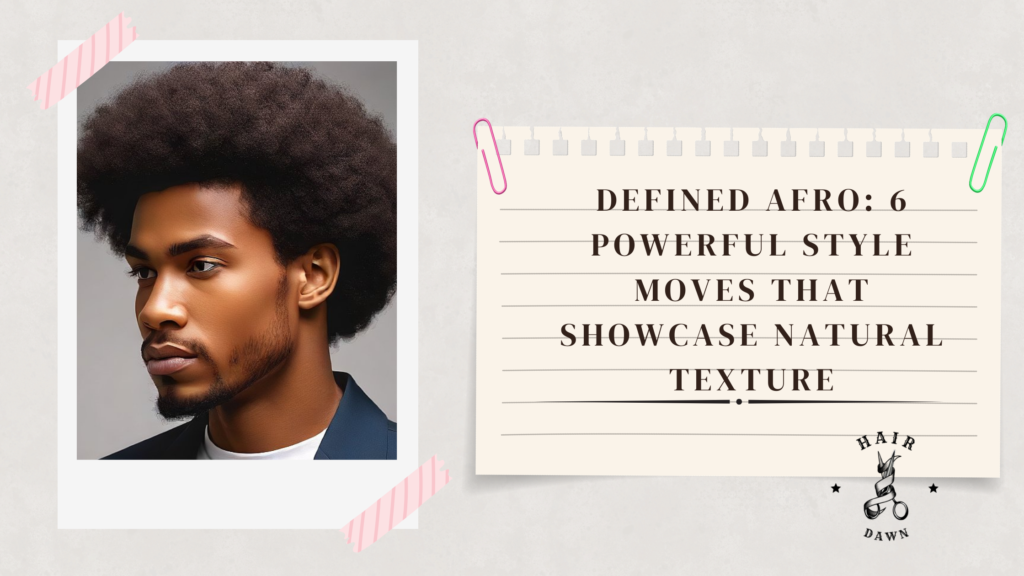
Defined afro is not merely a hairstyle, but it is also an identity and culture of self. Prancing around the generations in pride, the afro has been a source of strength, confidence, and exoneration of natural beauty.
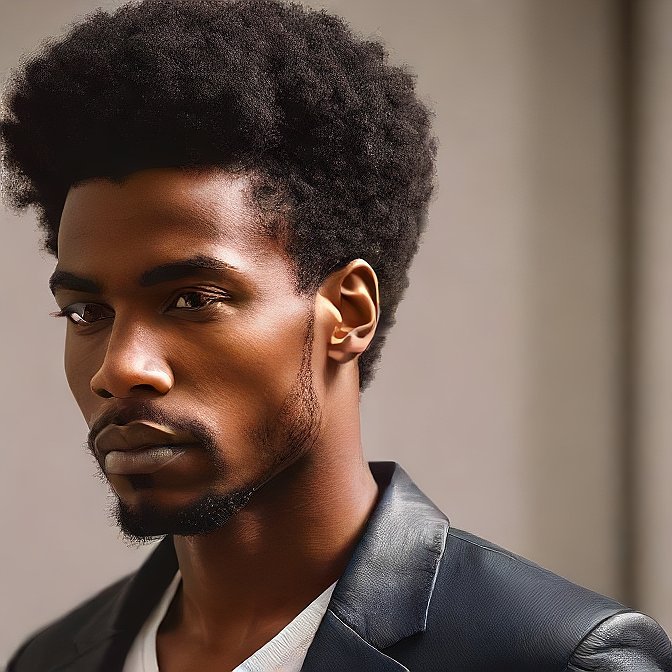
The current few years have witnessed a powerful movement of seeking beauty in a natural texture and reinterpretation of what we consider to be beautiful. Although the ease and convenience it implies, an increasing number of individuals choose to wear their hair as it is, to the extent that it is a celebration of self and self-identity. The defined afro especially demonstrates the attractiveness and the multiplicity of tightly coiled hair or curly hair with structure, form, and character.
This guide is for you in the unlikely event that you have ever asked yourself how to get a more defined, attention-grabbing version of your afro. We are getting into seven heavy-hitting styling tricks that will enable you to shape your curls, create your form, and unleash all the beauty of your natural hair type-all the while keeping your hair healthy and lively.
1. Master the Moisture: Hydration is the Foundation of a Defined Afro
Getting a good, defined afro begins with moisture. Hair is more elastic when hydrated, less likely to break, and can hold shape and definition significantly more easily. Curly hair is prone to frizz and shrinkage when left dry, but beautiful clumping and coils when well hydrated.
It contributes significantly to educating about the type of porosity that a person has in his/her hair. The lightweight leave-ins are water based and the use of heat helps in absorption of the product on the hair with low porosity. The moisture should not be allowed to evaporate, hence they should apply higher creams and oils such as shea butter or avocado oil on the high porosity head that tends to dry easily.
It may comprise moisture activities that are done daily, e.g., spraying water and sealing with oil, and weekly deep conditioning activities that restore natural hair and the long-term balance of moisture management. The look that seeks to define and achieve natural texture needs to stay hydrated on curls, which is the most vital element.
2. The Right Cut: Shaping Techniques that Complement Your Texture
The style of your afro can alter the whole appearance and how visible your definition is. A proper cut will not only maximize any curl you have, but it will also look proportional and volumized to give you an attractive overall effect.
Various face shapes can be suited with various afro cuts. Rounded shapes have a vintage effect and emphasise the volume, tapered cuts make the profile more sculpted, and heart-shaped styles help to draw attention to the eyes and cheekbones.
You also need to have regular trims to have your afro well-shaped and healthy. Taking away split ends and generally cutting off bulk in the most important spots can allow those curls to pop, eliminate that pesky tangling, as well as remove that weighted, and unbalanced look.
3. Define with Technique: Twist-Outs, Bantu Knots, and Beyond
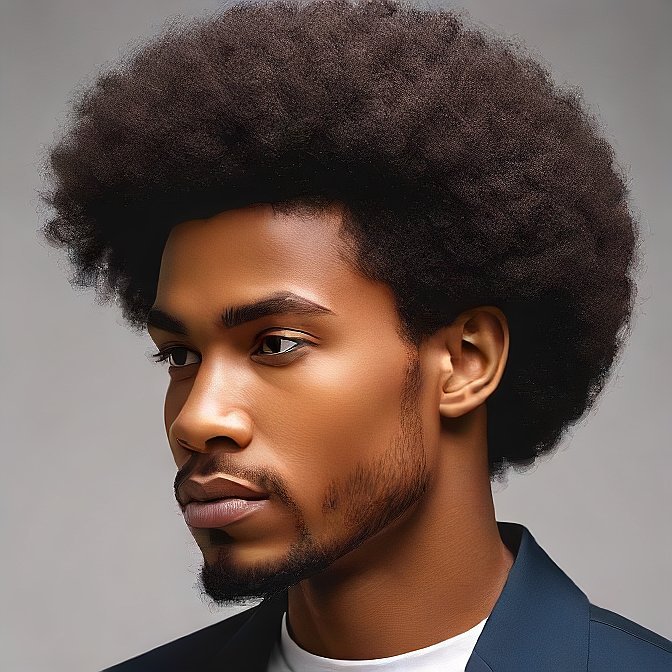
A call afro is time-consuming, and there are endless ways that one can employ to achieve their defined AFRO. The right approach, though, will depend on the type of curls that you have and remain active. Twist-outs, braid-outs, Bantu knots, and finger coils are the most exemplary types.
Both methods rest on the next principle: Apply a styling product, then form a shape (twist, braid, or coil) in damp, unbraided hair, dry it, and lastly part the sections of the hair with your fingers to form some volume. The twist-outs are softer-defined, whereas the Bantu knots can add more curl and bounce to them.
When separating curls, apply some light oil to your fingers in order to reduce frizz. Just be patient, make sure your hair is dry, and deal with it lightly. Properly applied, these methods may provide you with several defined, springy, curvy locks that need little refreshing.
Check Out: Cornrows for Boys: 6 Cool Styles That Blend Culture, Confidence, and Control.
4. Product Pairing That Works: Curl Creams, Gels & Setting Sprays
The styling products will have a significant influence on the level at which your afro is solid and permanent. But the product is also not the key; it is the layering and pairing of them.
Apply leave-in conditioner to wet and prepare your curls. Then follow this with a curl cream to give it definition, and use a gel or setting spray to set it. The key is the correct amount; otherwise, it will not hold the curl, and excessive amounts can create a buildup or a flake.
They come in soft formulas, so take one home should yours is fine or light in weight and prone to becoming heavy. Choose botanical gels containing flaxseed or aloe; these provide the good hold that you require. Avoid the products that have drying alcohols or heavy silicon, as they could suffocate your texture.
5. Stretch Without Sacrificing Definition: Heat-Free Elongation Methods
Curly hair is bound to get red, and this is natural because longer hair looks great, even when still maintaining the shape of an afro. The game-changer is heat-free stretching techniques, which can greatly extend the length of hair, without making it go flat.
Some of the tricks, such as banding, African threading, and braid-outs, enable you to stretch curls without harming them. They are the least harsh on your hair as they gently pluck the hair during the drying process, less shrinkage, and show off more of your natural hair length, preserving curl pattern and curl shape.
The trick is to begin when the hair is slightly wet and detangled, apply a light-weight styling product, and wait until your hair has completely adhered to take bands or braids out. This aids in the maintenance of curl and guards against frizz. Consistency will bring you the benefit of a delineated afro that looks and feels longer, more complete, and equally healthy.
6. Maintain the Look: Nighttime Routines that Preserve Definition
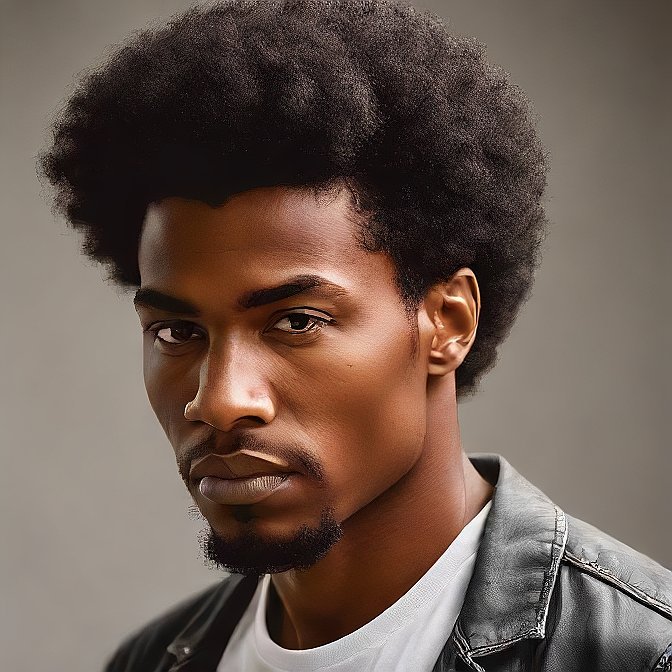
Fashioned afro is not a job that can be created within a short period, hence keeping it defined throughout the night is paramount. When you take a good nighttime routine, you will be able to make the style last more than a few days without completely having to start all over again.
The pineapple technique is one of the techniques that you should have tried, whereby you tie, but loosely tie, a bunch of hair on top of your head, keeping your curls secure. A satin or silk scarf or bonnet, when slept in, either lessens friction and sweating. Preferably, a satin pillowcase may do the same.
Re-freshen in the morning with a little spray of water or curl refreshing spray. One is also able to re-twist one or two sections. Your scalp shouldn’t be disregarded either; it is best to keep your scalp clean and moisturized to ensure healthy growth and curl formation.
Conclusion: Define Your Afro, Define Your Power
Defined afro is not a hairstyle but a joy to your natural quality, a statement of who you are, of where you belong, and a statement of your identity. You can make an effect that is bold, in-form, and entirely your own with the proper techniques, the proper products, and through a particular routine.
Starting with getting perfect moisture to selecting what can give you an ideal style and learning how to preserve your look even when you have to go to bed, each of these steps helps to bring out the beauty behind your afro. Starting or improving your natural hair care regimen, these are some style moves that can become your friends to allow you to embrace your new style with pride.
Your hair has a tale to tell, and when you have a clearly defined afro, it carries a tale of confidence, beauty, and true form.
For more info: Click Here.
FAQs: Defined Afro Styling and Care
Q1: How can a defined afro be kept looking so refreshed through the week?
To extend your defined afro and maintain it through the week, nighttime pineapple or protective styles, wear a satin bonnet or scarf to sleep in, and wake up and revive your curls the next day with a water-based spray/light leave-in. Do not manipulate the hair too much to retain the curl pattern and shape.
Q2: How frequently can I style my afro with twist-outs or any other styles?
You can also alternate between 4 and 7days when you will redefine your afro, depending on the moisture content of your hair and the permanence of the hairstyle. To reduce the manipulation, as well as to keep healthy, it is recommended that you only touch up the topmost areas that require touching up, and your entire head is not something that you have to do all the time.
Q3: How can I get a non-puffy, afro?
Yes. Defining your afro can be done by means of curl creams or light mousses or using natural butter types, to avoid the rigidness certain gels may cause. The trick is to select products that make your curls clump better and hold them, but also do not weigh them down. Soft styles can get sufficient definition with the layering of the appropriate leave-in and cream.