Table of Contents
Intro: Why “Middle Part with Layers” is the Ultimate Hair Trend Right Now
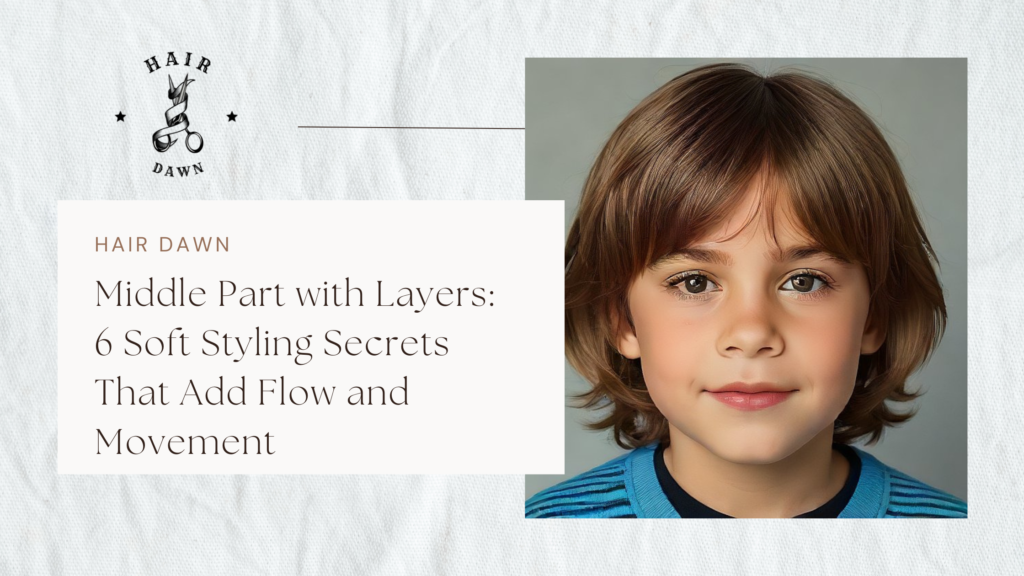
The multilayered middle part hairstyle has dominated social media feeds, celebrity red carpets, and styling chairs– and it is not difficult to understand why. Since TikTok superstars flaunting their natural bounce, to celebrities such as Hailey Bieber and Zendaya rocking it on the cover of magazines, this style now occupies modern status as a classic.
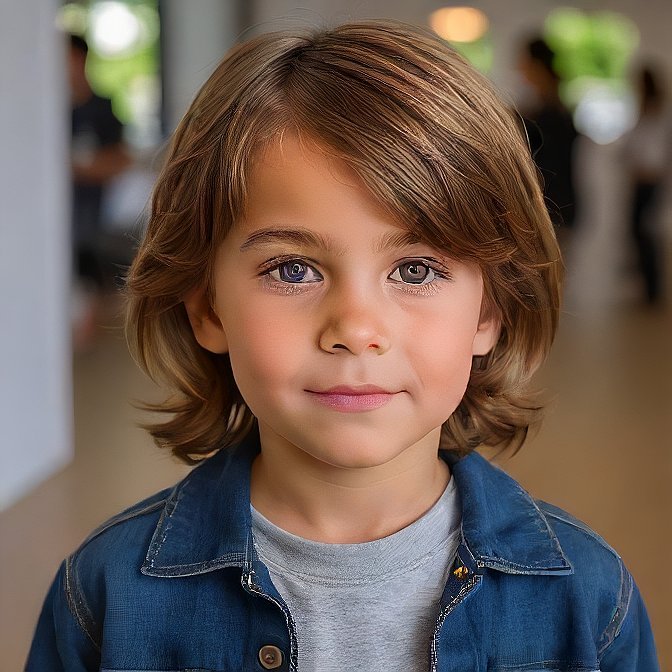
It is the versatility of the middle part, which has layers, that makes it so attractive. It can be fitted to virtually any shape of face, has an immediate effect of giving a new dimension, and the effect of softness and balance to the whole look. Long, mid, or short cut in layers that frame around a middle part will give that natural style and flowing, snag-free freedom of movement, the desired feel.
Here are six pro-tested secrets to creating the layers of the middle part that will take them to the Israel Adesanya in the style stakes. Provided that you want to get some touch of texture, volume, and gentle movement in your hair, these tricks will lead you towards the desired aesthetic without ever setting foot in a salon.
1. Layer Placement Matters: How to Frame Your Face Perfectly
One of the best features of a middle part with layers is that it helps enhance the shape of the face when done properly. In the case of round faces, one should speak of longer layers that come below the chin, adding length and structure. The layering can often advantage an oval face, which begins at the cheekbones of the face, and a heart-shaped face can best be framed with emphasized appurtenance to counterbalance the narrower jaw line.
Speaking of layering style, soft layers can make a more mottled, natural-looking flow, whereas sharp layers have a more dramatic, bold impact. The correct one will depend on your taste and the extent to which you would like your hair to move.
Layers ought to be gradually tapered down to the middle part in order to create a nice, flattering appearance. This prevents heavy or uneven-looking areas around the crown or jaw line.
2. The Power of Texture: Creating Natural-Looking Movement
It is texture that gives layered hair the loose, feelable surface texture, which should never be neglected in case of producing a middle part with layers, as this will enable it to look rather dynamic rather than being flat. Besides razoring or point cutting, where the bulk is taken out and the ends lightened, that is one of the popular devices used by the stylist. The method assists all layers to move freely, hence offering natural separation.
Products used to texturise are also gigantic. Dry texture spray can add lift to roots, create layers and clump, and light pomade can give some shape and piece-y-ness without making your hair heavy. These instruments make the dimension of your layers and make the appearance soft and casual.
The texture that could be added to the layered hairstyles could be demonstrated in a before-and-after photo. Even little transformations to your hair-cutting methods or hair styling methods can completely change the manner in which your hair will flow.
Check Out: Brushed Up Style: 5 Confident Looks That Add Volume and Edge.
3. Blow-Dry Secrets: Elevate Volume Without Losing Softness
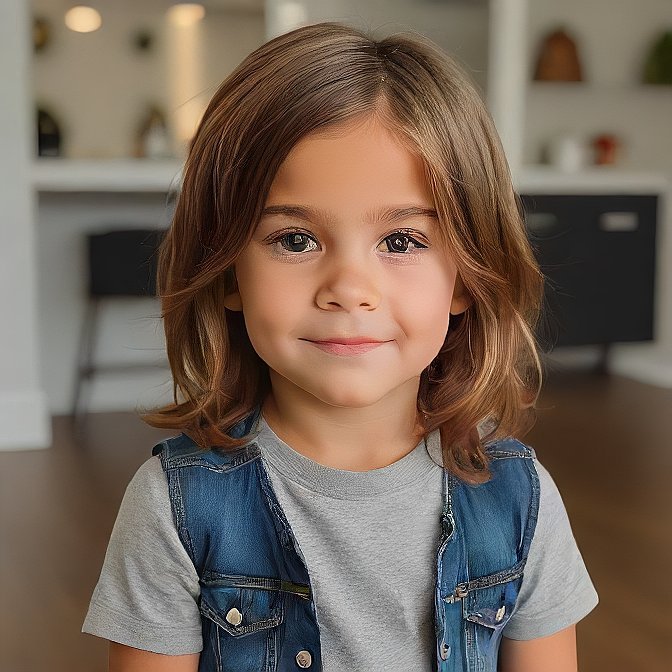
In layered hair, it is blow-drying that makes or breaks the movement. It all depends on the technique. You should start by 80 percent of rough drying your hair, then proceed to the round brush. This will assist in maintaining natural volume and will make it easier to control.
Use the round brush to curl parts that will be outwards on the face, especially the front layers towards the middle part. This makes your features open and makes the layers look soft and raised. Sectioning is also vital- cutting in smaller areas makes sure you have a smooth shape by guaranteeing even heat coverage.
Do not forget to switch on the blow-dryer to a lower temperature. Style it with medium or high heat, just be sure to cool it in a finishing shot to fix the style and get rid of the frizz. This gives the appearance of your hair being voluminous, and yet they are soft to the touch.
4. Waves that Flow: Effortless Curling Techniques for Layered Hair
A middle part and layers are a match made in heaven with loose waves to add that texture that is just enough but never too much. It is all about having the appropriate size of the curling iron; 1- 1.5 inches generally does just fine on most layered lengths.
Alternate with curling the opposite way to give everything a more natural, undone feel. Do not put the last inch of hair into the curling iron so that the ends are soft and curly. These techniques are also great for curling. This prevents a rigid or curled appearance, which tends to cause the layers to lose their flow.
When short layers are cut in hair, curls are much tighter and brush out with fingers. In longer layers, work with mid-lengths to ends to add cascading action. Light-hold spray will enable all the hair to stay in place without being rigid.
5. Products That Play Nice: Lightweight Essentials for Soft Hold
The selection of the right products may augment or destroy the natural beauty of the middle part with layers. On fine/flat hair, mousse is excellent to add root volume and texture. The frizz is tamed using lightweight serums, which add shine to the strata, and flexible-hold sprays help in maintaining the shape without being sticky.
The objective will be to ensure that the products utilized do not burden the hair, yet they offer structure. Together with heavy creams or oils, layered cuts or cuts may appear to look limp and greasy- particularly at the roots.
Sulfate-free/ silicone-free styling products would be a good fit when one prefers clean beauty or a sensitive scalp. Natural ingredient brands tend to have lightweight products that are designed to keep hair flowing.
6. Trim Timing: Why Regular Shaping Keeps the Flow Alive
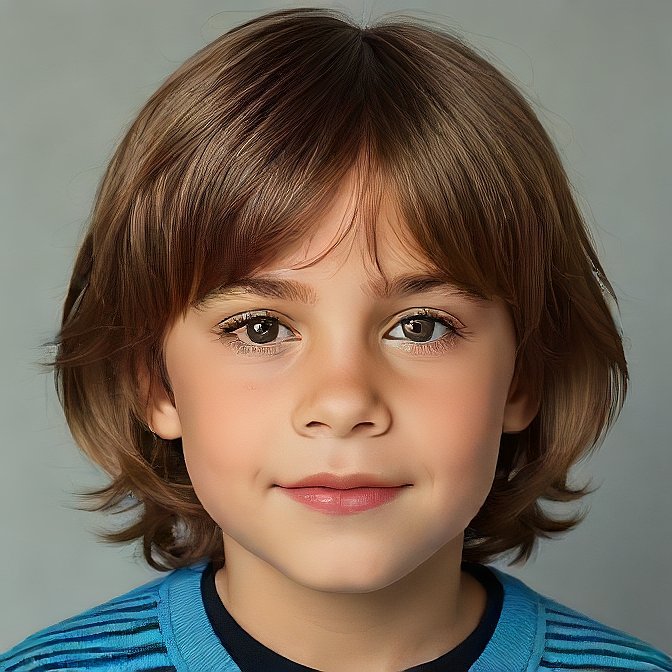
The most exceptional middle part with layers requires maintenance. The layer may lose its shape; the ends may split; and the style that had your hair so fresh-looking can begin to collapse.
Trimming layers should be done about 6 to 8 weeks after. You might need to get in sooner in the event that your hair grows fast or you use heat tools regularly. Wait until your layers appear lumpy–by that time, the whole shape may have gone lumpy.
It is a world apart, the difference between a quick trim and a complete reshaping. A trim keeps the ends healthy and maintains flow, whereas a reshaping could be moving the position at which your layers are cut to reflect your current style or face shape.
Conclusion: Flow, Movement, and Effortless Style in Every Layer
A layered middle part is not something of a trend at all; it is a classic thought that suits almost every person. Proper layering technique, texturizing, and soft styling strategy can help you achieve the desired look which will feel light, perfectand natural, and living in the beauty.
Learning to control these six secrets of style is to know how to do more with your natural body of hair and hold some motion, without losing volume and smoothness. Although you might be doing it on a daily basis and have a simple desire to know how to redo your cut, the following techniques would allow you to make the best out of your layered hair.
For more info: Click Here.
FAQs: Middle Part with Layers
Q1: Is a middle part with layers a fit for every type of hair?
Definitely, the layered midsection will fit most types of hair they are straight hair, wavy hair, and curly hair. It is in the layering strategy that is to be scaled to your texture. A delicate, graduated stage is what is needed with fine hair to add additional volume, and smarter thinning may be needed in thicker or curly hair to maintain its form and simplicity.
Q2: What can I do so that my middle part with layers does not look flat?
You do not want to appear flat, and thus, having the volumizing agents (with the assistance of the mousse or even dry texture spray at the top of the head) and heavy oils at the top of the head will not help.
Q3: How do I need to trim my layered hair so that it appears fresh?
The ideal hair length of a layered haircut should be trimmed after 6 to 8 weeks. This assists in keeping your shape and flow, particularly should you are doing a lot of heat styling. Trims will also stop split ends and make sure that your layers do not look uneven or heavy.