Table of Contents
Introduction
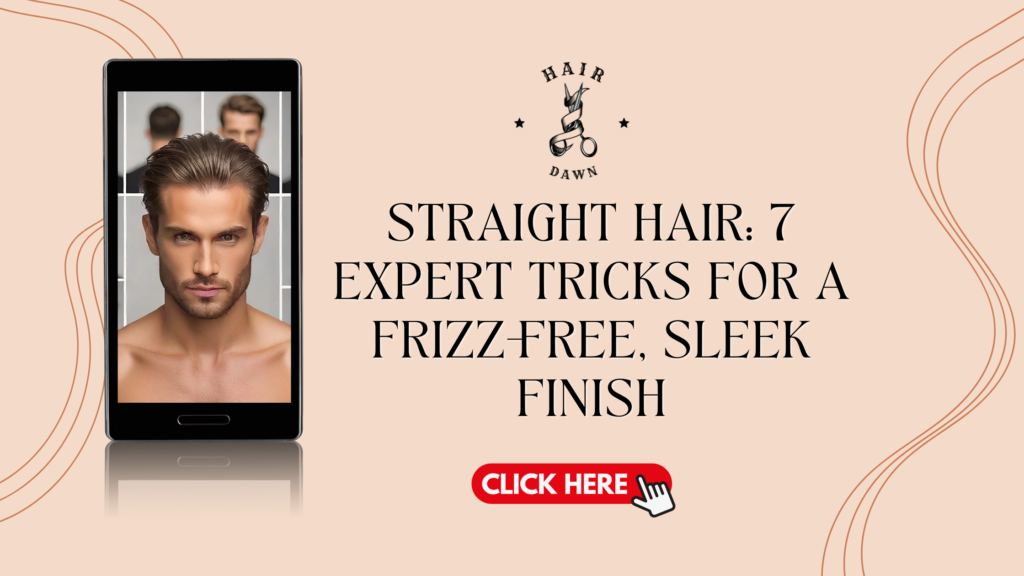
Straight hair is quite frequently envied because it has a rather sleek and neat appearance; however, it is not always just smooth. Fighting frizz, giving you volume, and keeping your straight locks straight is not always as easy as you think. Regardless of whether you are born with naturally straight hair or style it with the heat, this guide provides you with 7 tricks that will help your hair to keep shining and healthy every day, as well as to maintain a flawless and shiny look.
Understanding the Types of Straight Hair
However, it is vital to know that not all straight hair is identical before proceeding to the tips of caring for it. The texture of hair can be smooth but fine and flat, to rough and thick-looking, even where it seems to be straight.
The most usual types are as follows:
1. Type 1A – Stick Straight, Fine Hair
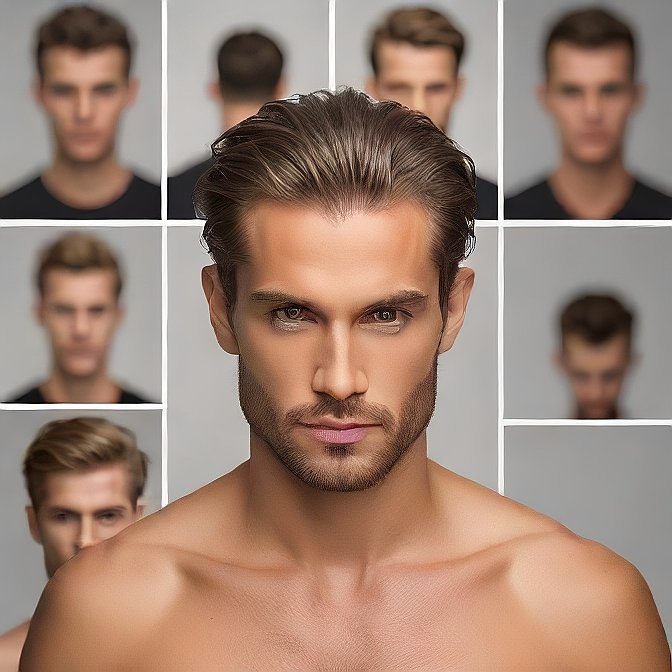
- Hair is quite thin, smooth, and sleek
- It is non-volumized, and also, it does not curl well
- Becomes oily with ease because of the absence of texture
2. Type 1B – Straight with a Bit of Body
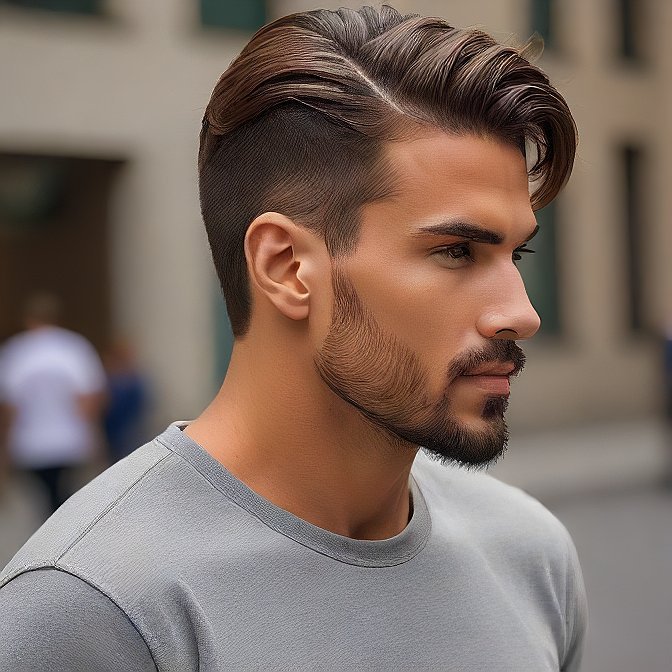
- Still straight, though with a little more volume than 1A
- Carries fashions better
- Medium in texture, can have a slight bend at the ends
3. Type 1C – Thick and Straight with Slight Waves

- The strongest straightest hair types
- It could be very big and might frizz easily
- Rough-woven and of inferior lustre than 1A or 1B
7 Expert Tricks :
1. Start with the Right Shampoo & Conditioner Combo
In case your straight locks are dry, frizzy, or greasy too quickly, the cause can be found in your shampoo and conditioner. This is how you can choose the right ones and why it is important:
Why Sulfate-Free Shampoo Is Better for Straight Hair
The majority of conventional shampoos contain sulfates (such as SLS), which make them foam a great deal. However, that foam is not free of a price, because it will leave the natural oils of your hair.
- What happens if you use harsh shampoos?
- The hair becomes dry and frizzy.
- Terminations divide quicker
- The hair appears unshiny
- Scratching may be experienced on the scalp, or the scalp may become oily
The shampoos that are free of sulfates are mild. They keep your hair clean, without drying it.
Conditioner: Yes, You Need It!
Most straight-haired individuals pass on conditioner as they believe it causes the hair to become greasy. No, that is not the case- the correct conditioner leaves your hair smooth and shiny.
Only apply it to the ends and mid-length, not your scalp.
Look for these ingredients:
- Argan oil makes it shiny
- Keratin- strengthens and smoothens
- Coconut oil retains moisture
- Panthenol (B5) – the one that helps to maintain soft hair
Avoid These Ingredients
- Sulfates– make it dry
- Alcohol (ethanol) dries hair
- Excess silicone starts to accumulate, weighing down hair
- Lofty perfumes can annoy your scalp
Smart Washing Tips for Straight Hair
- Warm to cool water, not hot
- Wash the head with shampoo only
- It is not the roots that are to be conditioned, but the ends that are to be conditioned.
- Wash thoroughly- residue product = oily locks
- Not daily, wash 23 times each week
Quick Guide: What to Buy Based on Hair Type
Bottom Line
To have your straight hair smooth and non-frizzy, turn to:
- Sulfate-free shampoo
- Light and moisturizing conditioner
You’ll notice:
- Less frizz
- Smoother, more glossy hair
- Longer-lasting hairstyles
Check Out: Tapered Comb Over: 7 Sleek Reasons This Cut Is Still a Modern Favorite.
2. Use a Leave-In Conditioner or Hair Serum (Your Anti-Frizz Shield)
Although straight hair can be very sleek, it tends to be the first to develop some fizz when it is dry or when there is humidity. Leave-in conditioners and hair serums enter the stage there. They are both superb products to keep your hair sleek and glistening, and yet they do somewhat different things.
Difference Between Leave-Ins and Serums
Leave-In Conditioner:
- A dry cream, or lotion, which can be put on wet hair
- It moisturizes and conditions the hair
- It helps to de-knot and de-staticise
- It is best to take it daily after a shower
Hair Serum:
- A wet or dry hair-based product that is colorless, and an oil or silicone-based product
- Provides scope and totality
- Fights frizzy and flyaway hair
- Helps in the deterrence of humidity and heat
Key Difference:
Leave-ins are made to penetrate further into the hair to moisturize it. To trap such moisture and prevent exposure to external factors such as humidity, serums are applied on the surface.
How They Help Seal Moisture and Fight Humidity
Since straight hair is not adequately moistened, it begins to absorb liquid that is air moisture in the air, particularly in humid weather. That is what frizz is brought about by.
Applying a leave-in or serum brings another protection:
- They trap moisture, such that your hair does not suck it in air
- They straighten the hair cuticle, and this flattens the hair strands
- Serums also get a covering rid of pollution, UV, and heat harm on the skin
Best Times to Apply for Maximum Benefit
For Leave-In Conditioner:
- Apply immediately after shampooing your hair, when they are still wet
- Cover or apply a spray or a little bit to the mid to ends
- Do not put it directly on your head because it will make it oily
For Hair Serum:
- Apply on damp hair, blow-dried towel-dried hair
- Or put on dry hair to tame frizz and give your hair an added shine in the afternoon
- Use a minimal dose (112 drops) and increase it as a necessary measure
Tip: Apply them together in case your hair is more on the dry and frizzy side, first vice versa.
3. Dry Smart: Ditch the Towel, Embrace the T-Shirt
Your drying hair procedure influences the appearance and sensation of your hair significantly. In a straight-haired person, the wrong drying technique and especially a regular towel may result in fuzzy, damaged, and coarse hair in a very short time. This is how you should dry your hair.
Why Towel Drying Creates Frizz
Conventional bath towels are the ones with coarse fibers that pull the hair strands. In rubbing your hair with them, you:
- More shaken hair cuticle (hair strand outer layer)
- Static and friction cause static and friction
- Make the surface rough, causing frizz and flyaways
- Further increase the chances of breaking, particularly on wet, delicate hair
Straight hair must also be flat on the surface to appear its best. Then anything that lifts the cuticle or creates static will spoil that smooth look.
Benefits of Using a Microfiber Towel or Cotton T-Shirt
A microfiber towel or an old cotton t-shirt should be used instead of a rough towel to blot off your hair.
Why it works:
- The less abrasive the fibers are = the less friction.
- Cuts down breakage and frizz
- Assistance in making hair smooth and shiny
- Absorbs water without the act of overdrying
How to do it:
- First, squeeze water out with your hands gently
- Use a cotton t-shirt or pat down your hair; never rub it
- Leave it to absorb the moisture for 5-10 minutes.
Bonus: Microfiber towels also clean hair and enable it to dry quicker than other types of towels.
Air-Drying vs. Blow-Drying for Straight Hair
Both of them can be effective if it is done properly.
Air-Drying:
- Less stressful to your hair
- Fewer heat = fewer damages
- Good when you do not have much time, but you need to look natural
- Has the ability to make hair flat or frizzy, unless you prep the hair heads first (apply leave-in conditioner or serum)
Blow-Drying:
- Holds and tames hair
- Volumes, when applied with a round brush
- Ought to be performed under a heat protectant spray
- Its best utility is over low-to-medium heat
Hair tip: To get the best of both worlds, dry hair 70 percent with an air-dry and finish it off with a blow-dryer set to cool or warm to dry out the rest.
Bottom Line
Frequent drying of the towels with straight hair is harsh. To have reduced frizz, smooth hair, and to give it a shinier finish:
- Instead, use a microfiber towel or a t-shirt
- Use soft touches–no stroking
- Select intelligent ways to dry depending on the time and hair needs.
4. Blow Dry the Right Way — With a Heat Protectant
Blow-drying is one of the ways of achieving sleek and smooth straight hair salon style, provided it is properly performed and safely. When unprotected, heat will destroy your hair to make it dry, frizzy, and prone to breakage. The correct way to blow-dry and maintain healthy hair is like this:
Why You Should Never Skip Heat Protectant
Although straight hair can be considered strong, it is still subject to heat-damaging effects. When you blow-dry in the absence of a protectant, the heat will be able to:
- Deprive your hair of moisture
- Makes the hair ragged at both ends and the texture rough
- Causes hair to get frizzier in the long run
By separating your hair and the dryer, heat protectants have the potential to:
- Moisture lock/trapping
- Reduce heat damage
- Polish up the cuticle to give it a shine
Tips: It is recommended to spray or put the heat protector on your damp hair first before using the dryer. This step is not to be overlooked.
5. Flat Iron Like a Pro (But Don’t Overdo It)
All flat irons can confer that ultra-smooth, polished look to your straight hair, although excess heating or inadequate usage may only harm the situation instead of being beneficial. The trick here is to apply the proper method, understand how to avoid them, and never abuse your hair with them.
Proper Flat Ironing Tips for Straight Hair
Although flat ironing may not necessarily make your hair straight, it can impart a glossy and sleek finish or even tame the flyaways, even when your hair is straight. However, when done incorrectly, either results in dryness, breakage, or heating.
Use these pro tips:
- Always Start with Heat Protection
- Apply a heat protectant on dry hair and then straighten using the flat-iron. You should never do this because you will end up burning or drying your strands.
- Work in Small Sections
- Flat iron thin slices (estimated to be 1 inch thick) per sitting. This ensures:
- Even straightening
- Fewer passes required
- Reduced exposure to heat
- Flat iron thin slices (estimated to be 1 inch thick) per sitting. This ensures:
- Use the Single-Pass Technique
- As a rule, you should only require one easy, slow stroke per inch over each section, provided your iron is good and the heat adjusted properly. The repeated situations with multiple passes may result in irreversible harm.
- Keep the Temperature in Control
- Light or refined hair: 300°F – 350°F
- Normal/Medium hair: 300°F – 350°F
- Thick or coarse hair: 350°F -400°F
- Always avoid blasting your hair on the highest setting in order to be quick, seeing that this will cause your hair to grow weaker.
When to Skip Flat Ironing
As much as possible, flat ironing is not supposed to be part of your morning or daily rituals, particularly when your hair is:
- Naturally, straight to begin with: Touch up frizz with a light serum or leave-in spray, instead.
- Damaged or sensitive to heat: Allow your hair time to be repaired.
- Newly coloured or chemically processed: Give it at least a couple of days, and you can end up having dried-out strands.
One should not use flat irons every day, but once or twice a week.
Safety Tips to Avoid Long-Term Damage
- Think twice about ever using a flat iron on a wet head unless you have a dryer-additional-styler kind of device (very few of them exist).
- Also, clean your flat iron off regularly to get rid of product.
- Smear with ceramic or tourmaline plates instead–less abrasive, and a better finish.
- Never leave the iron in one position for very long-you may end up having hot spots or burns on the hair.
6. Sleep Smart: Silk Pillowcases & Protective Hairstyles
You are not kidding when I say that even the manner you sleep can make a difference in the appearance of your straight hair the next day. Whether it be frizz and kinks or breakage, your styling can be ruined by a bad night. The positive side of the story? A couple of minor adjustments to your night regimen will yield significant results when applied to your hair.
How Cotton Pillowcases Cause Friction and Frizz
Even the soft standard cotton pillowcases are made of very fine, rough fibers that:
- Evil up against your hair, All night
- Leave a friction causing frizz and flyaway hair strands
- Blot away the moisture on your hai, to dry it up
- May result in split ends and becoming tangled, particularly when you are a tosser and a turner in bed
When you wake up with messy or dull hair unusually, instead of getting a new shampoo or conditioner, it is possible that your pillowcase is the cause.
Why Silk or Satin Pillowcases Are Better for Straight Hair
One of the simplest methods of taking care of your hair during bedtime is by using a silk or a satin pillowcase.
Benefits:
- Generates a flowing slippery surface and minimizes friction
- Assists hair to slide, rather than grip at night
- Locks in moisture and natural oils, as opposed to cotton
- Prepares hair so that they are less frizzy and not tangled up in the morning
- And then not rough on your skin-lucky you!
You do not need the top of the budget proposals. Pillow cases made of satin, even at inexpensive prices, can have a very effective effect.
Easy Nighttime Hairstyles to Prevent Kinks and Tangles
When you pull your hair too tightly in bed, it will break in the morning, but when you do not keep it tight, it will get tangled. These are some of the soft styles that you can save your straight hair overnight:
1. Low Loose Braid
- Maintains hair stretched and tangle-free
- Assists in minimizing the wave or kink development
- The medium to long hairs are great with it
2. Silk Scrunchie Ponytail
- Loose pony that is tied up with a soft scrunchie (not tight)
- Stays in putting hair up without making crevices or indentations
3. Wrap Method (for longer hair)
- Part your hair down all around your head and twist with clips or a silk scarf
- Prevents frizz, more so when flat-ironed
- No curls or frizz in the morning
4. Loose Bun on Top of the Head
- Collects hair off the pillow
- Perfect at keeping creases at bay, should you want to fix your hair upon waking up in the morning
7. Protect Your Hair from Humidity & Weather
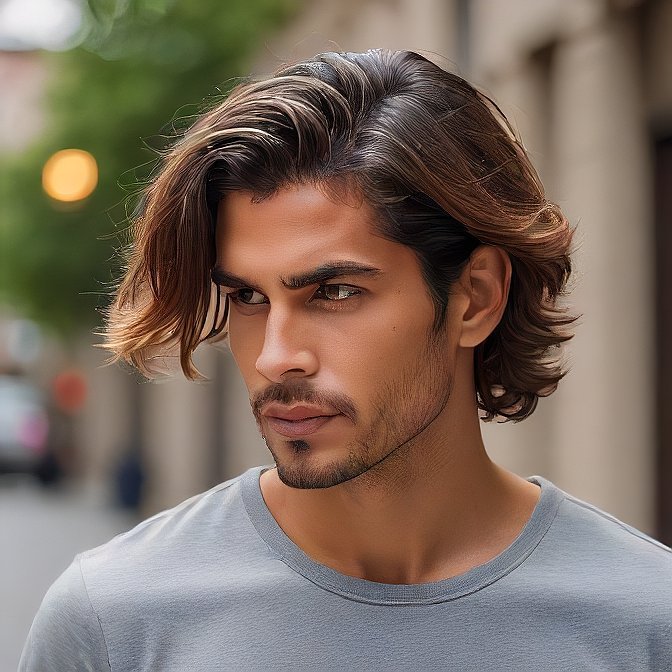
You may take as much time as you like to straighten and curl your hair, and then, in a breeze or out in the rain, you get them all messed up. When you have straight hair and suddenly, the moment you go out on a day with windy weather, it starts to mess up and get frizzy, this is even more irritating.
Why Weather Affects Your Hair (Especially Humidity)
The main enemy of smooth, straight hair is humidity. That is, this is the way it goes:
- Moisture-bearing air contains moisture particles.
- When there is moisture in the air, it is absorbed by your hair, whether it is dry or porous, hence causing it to swell.
- What that means is that you end up with frizz, puffiness, or some arbitrary waves even when your hair is naturally straight.
Other issues can be caused by wind, rain, and dry air:
- Static and tangles = wind
- Rain = flat, messed hair
- Dry air = moisture and shine gone
Best Anti-Humidity Sprays & Finishing Products
In order to combat humidity, you have to use lightweight yet effective styling products that create a protective screen around your hair.
Look for:
- Anti-humidity sprays: They will seal your look and prevent water from penetrating your hair shaft. Apply them to them once they are styled.
- Light serums or creams: Add a bit of protection and aid in controlling the flyaways.
- Finishing sprays: Spray a flexible hairspray that makes your hair resistant to humidity rather than stiffen it out.
Ingredients to look for:
- Silicone (such as dimethicone) – closes up the hair
- Polymers- provide cover on the top side
- Oils- make them shiny and reduce puffiness
Use it sparingly so it does not weigh down your hair, particularly when you have fine and straight hair.
Conclusion
To achieve the best straight hair, one should have healthy, straight, smooth hair that is covered. There is no reason why your hair cannot be sleek with minimum effort: using the right products and clever habits, such as air drying, thermal care, and even silk pillowcases, you can make it smooth. A small effort goes a long way!
For more info: Click Here.
FAQs
1. How often should I wash straight hair?
The best is 23 times per week. Too often has the effect of drying it and flattening it out.
2.Do I need a heat protectant if I only blow-dry?
Yes! Heat protectants lessen the frizz and any damage, including blow-drying.
3.Why is my straight hair frizzy?
Mostly because of dryness or humidity. Apply a leave-on conditioner and do not use your towels roughly.