Table of Contents
Introduction: Why the Temple Fade Is a Modern Classic
Not every haircut has the right amount of shaven detailing, contemporary coolness, and classicism as the Temple Fade does. Regardless of whether you are meeting a client in a board room or a fun weekend trip with your friends, the temple fade grants you a sleek, clean look that looks right in nearly any place. Sharp outlines along the temples and gradual transition into the hairline make this fade more than a short hair grooming option: it is a part of modern men’s fashion.
So why should the Temple Fade be a haircut of choice by so many men of varied ages, lifestyle choices, and fashion tastes? Let us delve into why the Temple Fade should be a haircut of choice.
What Makes the Temple Fade a Go-To Grooming Choice
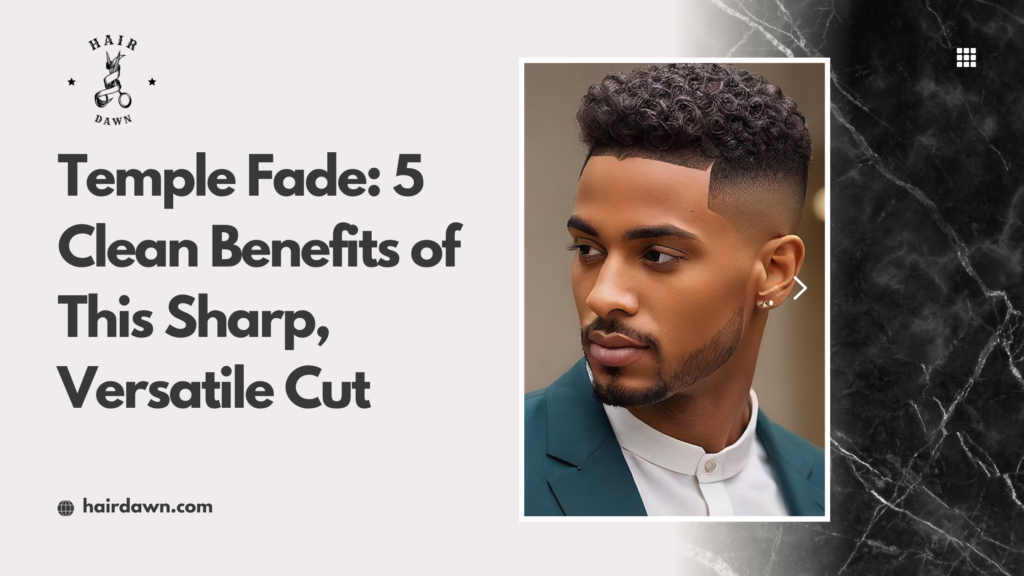
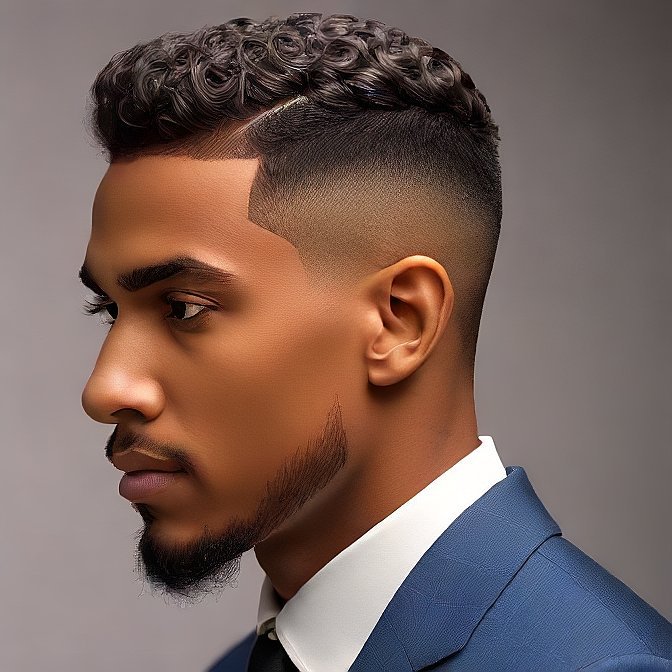
One version of the Temple Fade, also known as a temp fade or Brooklyn fade, is a hairstyle that places particular emphasis on the tapering of the hair down in the temples and sideburns region itself, with a smooth transition into skin or a shorter style. What is different is the way clean and defined around the face. It works more as a natural frame and makes the facial features more pronounced, without necessarily styling them dramatically.
Benefit #1: High Definition Detailing for Clean & Sharp Looks
Razor-Sharp Outlines That Frame the Face Flawlessly
The Temple Fade is famous because of its sharp, accurate trim is especially true of the temples, the hairline, and sideburns. One can achieve a clean outline about the face by trimming very close in those regions in such a way that the face is framed with spot-on symmetry and definition. This is a detail that makes the entire haircut a high-status one, leaving even a top simple style combined with this level of detail makes it a high-status one.
The barbers tend to use lineups and edge-ups in combination with a temple fade that would further narrow the outline as it gives the transition between skin to hair a smooth, sharp, and precise. This will yield a clean-cut haircut that will be visible from any angle.
Why the Temple Fade Enhances Facial Features Instantly
Since the temple fade attracts attention to where the face ends near the top, it is natural that eyes and cheekbones, as well as jawlines, are emphasized. This is especially flattering to those who seek a more structured or chiseled appearance. The tight taper, near the temples, is almost like contouring-it slightly shapes the face without a makeup or styling applicator.
Couple the temple fade with a buzz cut, a curly top, or a styled pompadour, and you have a crisply defined, less-is-more attitude that will not overshadow features. It enables face shape to be the focal point and, therefore, is a mighty albeit modest grooming instrument.
Benefit #2: Professional Yet Stylish — Perfect for Work and Play
A Temple Fade That’s Clean Enough for the Office
Among the most attractive elements of the Temple Fade, the nature of the trend is to straddle that boundary of being professional and expressive. It is a severe, regimented cut of hair, yet somehow it remains understated. Around the temples and sideburns, the fade will be completed, and the back and sides can be left somewhat long to ensure that the style can be considered professional and suitable for the office.
Stay Sharp From 9 to 5 and Beyond
And not all hairstyles can make the button slide the daytime polish into nighttime edge, yet the temple fade can easily do so. One does not have to travel further to get home after a presentation or meeting with a client to prepare to get out to dinner or any other date without coming out either overly dressed or under-dressed. The fade has offered more contemporary fashion, and your style is quite shrewd 24 hours.
A temple fade coupled with a slick back, comb-over, or even some top curls gives a more dynamic look able to transform with your day. This is what makes it so a smart grooming investment.
Check Out: Buzz Cut: 5 Bold Benefits of This Low-Maintenance Power Look.
Benefit #3: Universally Flattering for All Face Shapes and Hair Types
Why the Temple Fade Works on Straight, Curly, and Coily Hair
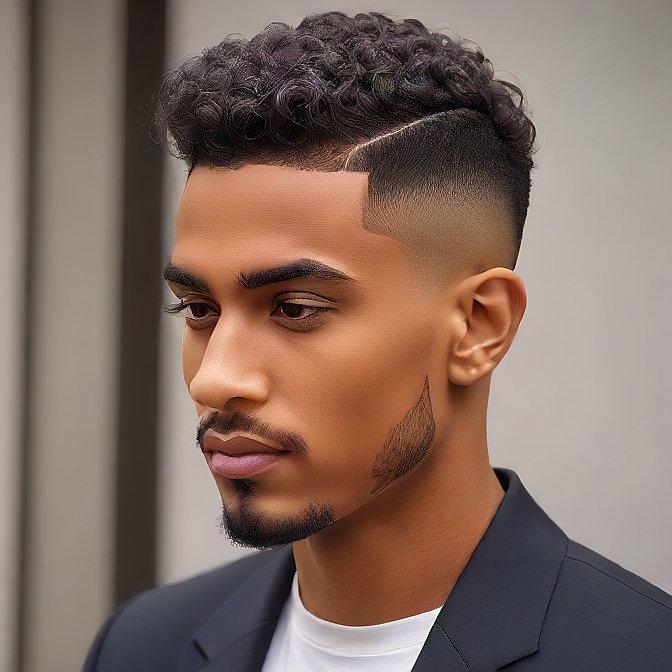
Regardless of the type of hair that you have, the Temple Fade effortlessly blends with you but takes your look to the next level. It can suit any kind of hair, starting with straight and wavy, all the way to coily or characteristically curly hair. It also eliminates fluffiness at the sides of the head but leaves the hair on the top natural and in its original form.
With curly or afro-textured looks, the temple fade can bring contrast and shape, add volume to what nature already put in on top, and keep the edges defined. To straight hair, it provides a sharpness and contributes a sleek definition, maintaining a fresh look for the style.
Versatility That Complements Short, Medium, or Long Hairstyles
The other key strength of the temple fade is that it complements easily with other lengths and cuts on top. A fade is suited to anyone with short fades, medium-length textured crops, or even longer styles such as braids, twists, and a curly top, keeping the edges sharp and professional.
Temple fade does not apply to the final hairstyle, but it only goes hand in hand because it highlights only a small space around the temples. It is an excellent basis of creative expression or bare minimum grooming, whichever you choose.
Benefit #4: Easy to Maintain, High Impact
Get a Polished Look Without Daily Hassle
Among the best advantages of the Temple Fade, one can mention that it will appear as neat as possible with minimal daily maintenance. This fade will make it easy to keep the sides of your head clean and tight without gels, sprays, and heat tools, unlike the hairstyles that you will need to maintain groomed on a regular basis. Get up, run your hands through your hair–or run your fingers through it–fiddle with that brush, dash out of the house, all trim in a couple of minutes.
The temple fade is the perfect combination of style and simplicity for the men who want both. It gives your natural hair that extra texture, and the hair is held by structure without the regular maintenance needed, which is ideal for anyone who does not have as much time on their hands.
Easy to Maintain, Even Between Barbershop Visits
The other aspect that makes the Temple Fade a favorite both with the barbers and the clients is its smooth grow–out. When the baldness starts to appear in the temple region, it is in a subtle way. It implies that you will not have awkward regrowth lines and lose the structure of your haircut within a few days.
Though it is ideal to make a touch-up after 2-3 weeks in order to make sure that the edges are always sharpened by razors, the temple also fades and retains its clean shape when slightly grown out.
Benefit #5: Pairs Seamlessly with Modern Hair Trends
Combine a Temple Fade with Pompadours, Twists, or Dreads
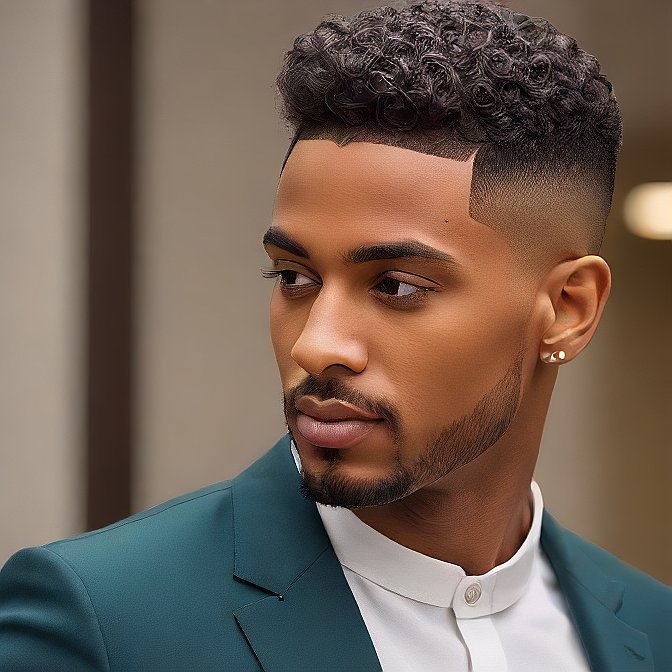
The most thrilling advantage of the Temple Fade is that it enables fitting in most of the contemporary hairstyles. The temple fade also adds an element of crispness and balance to your pompadour, sponge twists, dreads, or whatever high-top fade is topped off.
It is like an accessory to your hairstyle that enhances the best part of your there-dos. An example is fade, which makes the sides tight and clean with dreads or braids. It works with a pompadour or quiff to increase the prominence and top-heavy volume. It is a polishing tool that can be given and takes on the flight of the trend, but at the same time, gives it a classical outlook.
The Fade That Amplifies Your Creative Cuts
Most of the creative styles, e.g., geometric part designs, hair tattoos, or split-length haircuts, are done based on clean edges and contrast. The Temple Fade is that ideal contrast area and helps give a clean blend of skin to style. It adds order to more casual cuts and fits adjacent body shapes that are large in volume without opposing and contradicting each other.
Be it trying something new with your hair color, hairstyle, or even hair form, a temple fade could be the exact feature that brings the look together. It brings out your creativity but has a finished effect of neatness.
Conclusion: Why the Temple Fade Deserves a Spot in Your Grooming Routine
The Temple Fade remains as one of the most refined, functional, and universal hairstyles there is at any time in modern hairstyles today. As sleek and stylish as professional yet versatile in terms of its universal compatibility with all face shapes and hair types, the temple fade has become a classic style choice of every man rather than a trendy one.
Temple fade does not overwhelm the rest of your style and looks good with a defined pompadour, a bold buzz, the sharp-edged cords, or some creative twists and dreads. It is a low-maintenance type of haircut with a marvelous grow-out and extremely adaptable when it comes to things like going from formal to casual.
To phrase it simply, the temple fade presents all that you could ever desire of a contemporary haircut: crisply defined lines and soft transitions, individuality, and the possibility of confidence-inspiring longevity. It is the type of cut that adjusts to what you do, helping to stay clean and confident every step.
Searching for a haircut that flaunts style, but does not seem excessively vain; hefty, but not intrusive; and flattering everywhere, the Temple Fade should be the new addition to your grooming routine.
For more info: Click Here.
FAQs About the Temple Fade
How frequently do I need to regulate a temple fade haircut?
Most barbers will advise that a 2 to 3 week touch-up is the most efficient way to maintain a temple fade that is sharp and defined. This keeps the fade line sharp and prevents the regrowth of the line, making it indistinguishable. But since the temple fade grows fine, you could stretch this to once in 4 weeks, should you want a more casual effect, or would you like to cut down your time in the salon?
Does a long hairstyle work with a temple fade?
Yes—absolutely. It can also be called the temple fade since it is among the most versatile cuts, and it will look stunning on you, paired with long hair, either on the top of your head in the form of a man bun, a top knot, braids, or an afro with curly hair.
The top is longer than the tapered part of the temple area, and this difference in length and the varied length give the area definition and structure, but not in an overwhelming style. It has been a common favorite style among men who desired length, yet still desired a clean finish around the face and at the neckline.